
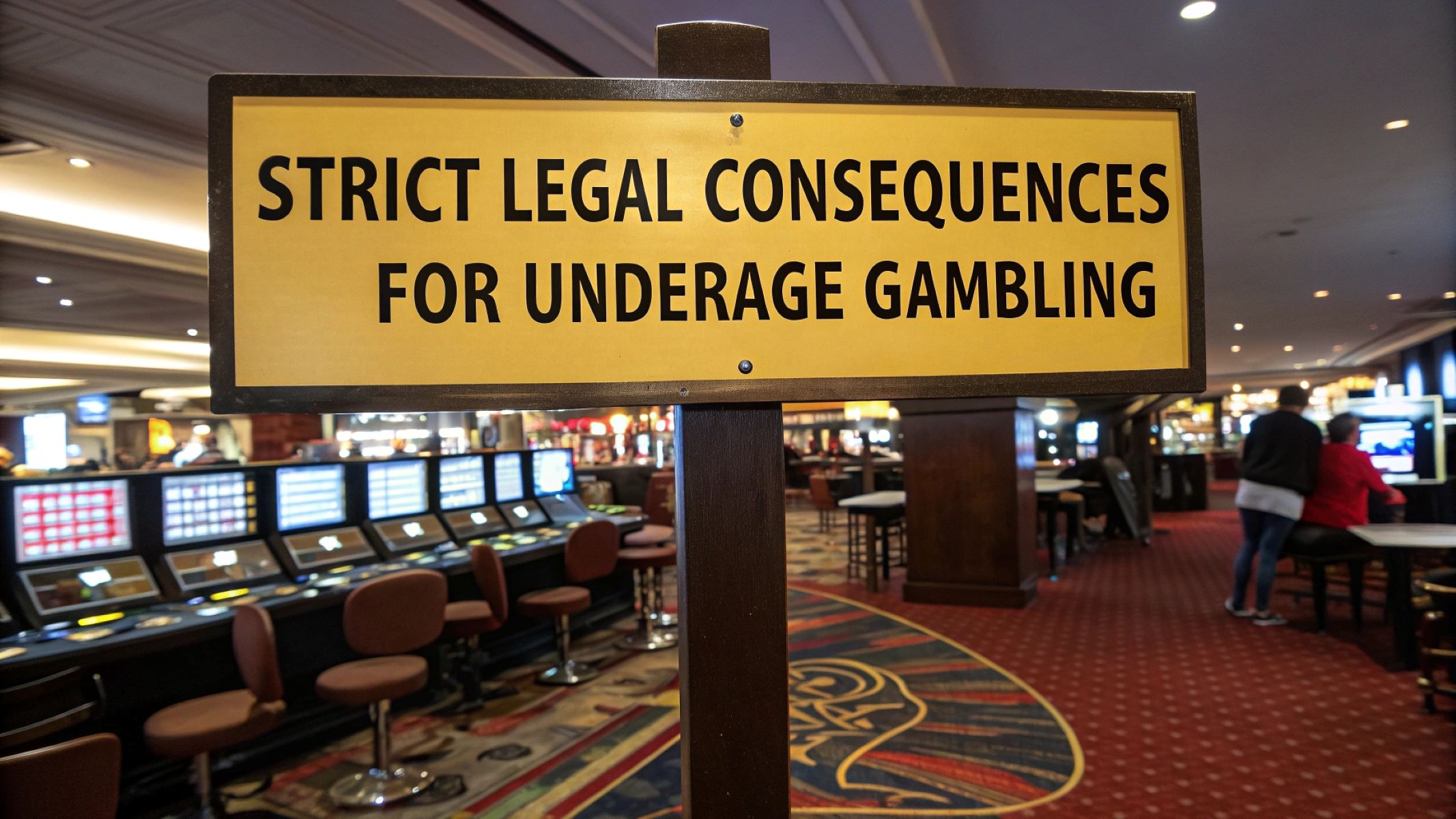
Gambling is a popular pastime in South Africa, from casual betting on sports to visiting casinos and playing the lottery. But did you know that South Africa has strict laws when it comes to underage gambling? If you’re under 18, gambling is off-limits—and breaking these laws comes with serious consequences. In this article, we’re going to unpack the legal penalties for underage gambling in South Africa. Whether you’re a parent, a young adult, or just curious, you’ll get a clear picture of how the law protects minors and what penalties offenders might face.
Understanding Underage Gambling in South Africa
Underage gambling in South Africa refers to any gambling activity involving individuals who have not reached the minimum legal age required to participate. According to national legislation, this legal age is generally set at 18 years old. However, certain provinces, especially when it comes to casino gambling, may require individuals to be 21 years or older. This distinction is important because it highlights the responsibility of both individuals and operators to be aware of specific regional laws in addition to national regulations. The definition of underage gambling covers a wide range of activities, not just traditional casino games, making it a broader issue than many realize.
The forms of gambling that fall under age restrictions are quite extensive. While many people associate gambling with casinos alone, the reality is that age limits apply to multiple sectors within the gambling industry. This includes betting shops where sports or horse racing bets are placed, online gambling websites offering everything from poker to slots, state-run lotteries, and even informal betting among friends if money is involved. South African law treats all of these activities as regulated forms of gambling, which means minors are legally barred from participating, regardless of the environment or platform.
In recent years, the rise of online gambling has added complexity to the enforcement of age restrictions. Many young people have access to smartphones and the internet, making it easier for them to engage in gambling without visiting physical establishments. As a result, online platforms are now required to use advanced age verification tools and identity checks to block access to underage users. These measures are designed not only to comply with the law but also to curb the growing trend of minors engaging in digital gambling, which can be just as harmful as in-person betting.
The implications of underage gambling extend beyond breaking the law—it poses significant risks to mental health, financial well-being, and social development. This is why South African legislation takes the issue seriously, enforcing strict controls and placing responsibility on gambling operators to prevent underage access. Parents, schools, and communities also play a vital role in educating young people about the dangers associated with gambling at an early age. By clearly understanding what constitutes underage gambling and where these activities occur, society can work together to reduce exposure and safeguard the well-being of future generations.
The Legal Framework Governing Gambling Age
| Aspect | Description | Legal Requirements | Regional Variations | Enforcement Measures |
| National Gambling Act 2004 | The main legislation regulating all gambling activities across South Africa. | Sets minimum legal gambling age at 18 nationwide. | Applies uniformly, but some provinces have additional rules. | Requires operators to verify player age strictly. |
| Age Restrictions | Defines who is legally allowed to gamble based on age. | Minors (under 18) are prohibited from gambling. | Certain provinces, like Gauteng and Western Cape, require age 21 for casino gambling. | Age verification at entry points and online platforms. |
| Operator Responsibilities | Obligates gambling operators to comply with laws regarding underage gambling. | Operators must not allow minors to participate. | Local laws may impose harsher penalties on operators violating age restrictions. | Operators implement KYC (Know Your Customer) checks and identity verification. |
| Online Gambling Regulations | Governs online betting and gambling activities in South Africa. | Online operators must implement strict age verification systems. | Online laws apply nationwide but may be supplemented by provincial rules. | Use of technology such as biometric verification and blocking underage players. |
| Penalties for Non-Compliance | Consequences for breaking gambling age laws by operators or players. | Heavy fines and possible license suspensions for operators. | Some provinces may have increased penalties or criminal charges. | Regulatory bodies like the National Gambling Board monitor and enforce compliance. |
Legal Penalties for Underage Gambling in South Africa
- When minors are found participating in gambling activities, the legal system tends to focus more on protecting the youth rather than imposing severe punishments. The aim is to educate and prevent future offenses rather than criminalize the minor.
- Minors caught gambling may receive fines; however, these fines are usually nominal and meant to serve as a deterrent rather than a heavy financial burden.
- Authorities often issue warnings to minors to highlight the seriousness of the offense, combined with counseling programs designed to educate them about the risks and consequences associated with gambling at a young age.
- In certain situations, minors may be required to perform community service. This approach helps reinforce social responsibility and provides an opportunity for rehabilitation.
- The overall goal of these penalties for minors is to prevent repeated offenses and guide young individuals away from gambling activities without resorting to harsh legal consequences.
- Conversely, gambling operators face much stricter penalties if they are found allowing or facilitating underage gambling, as the law holds them primarily responsible for enforcing age restrictions.
- Operators can be subjected to substantial fines that may run into hundreds of thousands of South African rands. These fines reflect the seriousness with which the law views breaches involving underage participants.
- In addition to monetary penalties, operators risk having their gambling licenses suspended temporarily or revoked entirely, effectively shutting down their business operations.
- Repeat violations by operators can lead to criminal charges, which carry more severe consequences, including potential court cases and further legal sanctions.
- Regulatory bodies actively monitor and investigate gambling establishments and online operators to ensure compliance with age restrictions, and any detected violations trigger these legal penalties.
Enforcement Mechanisms
Enforcing laws against underage gambling in South Africa is a complex and coordinated effort that involves multiple stakeholders working together to ensure the rules are followed. Casino staff and security personnel play a crucial frontline role by conducting random ID checks and monitoring patrons for signs of underage gambling. Their vigilance helps prevent minors from accessing gambling facilities and ensures compliance with the legal age restrictions. In addition, physical venues often use technology such as electronic age verification systems to double-check the identity and age of customers before allowing them to participate.
Online gambling operators also bear significant responsibility in catching underage gamblers. Through rigorous Know Your Customer (KYC) processes, they verify the identities and ages of their users before permitting them to place bets or play casino games. These online checks involve submitting official identification documents and sometimes using biometric verification to ensure authenticity. By implementing these measures, online platforms work proactively to block minors from accessing their services, reducing the risk of underage gambling in the digital space.
Beyond operators and venue staff, law enforcement and regulatory authorities form a vital backbone of the enforcement framework. Police may conduct sting operations or investigate complaints related to underage gambling, while regulatory bodies oversee compliance and intervene when violations occur. Together, these agencies help maintain the integrity of South Africa’s gambling industry and protect vulnerable populations by holding offenders accountable and ensuring the law is upheld consistently.
At the center of this enforcement landscape is the National Gambling Board (NGB), a statutory body tasked with overseeing the implementation and enforcement of gambling legislation across the country. The NGB monitors compliance among gambling operators, investigates complaints and reports of illegal activities, and imposes penalties on those found violating age restrictions. Their work ensures that operators maintain strict controls and that underage gambling is minimized. The NGB’s role is essential in coordinating efforts between provincial regulators, law enforcement, and gambling businesses to uphold the legal framework designed to protect minors.
Why Does Underage Gambling Matter?
| Category | Description | Specific Risks/Effects | Short-Term Consequences | Long-Term Consequences |
| Addiction Risks | Gambling can quickly become addictive, especially for young people. | Early exposure increases chances of lifelong gambling addiction. | Loss of control over gambling habits. | Chronic addiction affecting personal and professional life. |
| Financial Impact | Minors often lack financial literacy, making losses more damaging. | Can lead to significant financial losses, sometimes affecting family resources. | Immediate monetary loss and debt. | Long-term financial instability and strain on family relationships. |
| Academic Performance | Gambling distracts minors from education and responsibilities. | Poor grades and decreased motivation in school. | Falling behind in studies and reduced focus. | Limited career opportunities and potential dropout. |
| Mental Health Issues | Gambling can trigger anxiety, depression, and stress in youth. | Emotional distress and psychological strain. | Increased anxiety and mood swings. | Development of mental health disorders and social withdrawal. |
| Social Consequences | Underage gambling impacts social behavior and relationships. | Increased juvenile delinquency and involvement in crime. | Social stigma and isolation from peers. | Long-term family conflicts and difficulties in social integration. |
Preventing Underage Gambling
- Parents and guardians play a crucial role in preventing underage gambling by actively educating their children about the risks involved. It’s important for parents to have open conversations that clearly explain how gambling can lead to addiction, financial problems, and emotional distress, helping children understand why it’s best to avoid these activities until they reach the legal age.
- Monitoring children’s activities both online and offline is another key responsibility for parents. With the rise of online gambling platforms, it’s essential that parents keep an eye on the websites, apps, and social media channels their children use, ensuring they do not have access to gambling content or engage in betting activities without supervision.
- Setting clear and consistent rules about gambling helps establish boundaries and expectations. When children know that gambling is off-limits and understand the reasons behind these rules, they are more likely to respect them. Parents should also model responsible behavior themselves by avoiding gambling or demonstrating healthy habits around money and risk.
- Schools and community programs are increasingly stepping up to support prevention efforts by organizing awareness campaigns aimed at educating young people about the dangers of gambling. These campaigns often include interactive sessions, workshops, and presentations that highlight how gambling can impact mental health, finances, and social relationships.
- Counseling and support services within schools and communities provide an important resource for youths who may already be affected by gambling or who are at risk. These programs offer guidance, emotional support, and practical advice to help young people make better choices and seek help if gambling becomes a problem.
- Collaboration between parents, schools, community groups, and regulatory bodies creates a stronger safety net that reduces the likelihood of underage gambling. When all these stakeholders work together, sharing information and resources, the message about responsible gambling reaches young people more effectively.
- Public awareness campaigns and media outreach further reinforce these prevention messages on a wider scale, encouraging families and communities to stay vigilant and proactive in addressing the risks of underage gambling.
- Technology solutions, such as parental controls and filtering software, also assist in limiting minors’ access to gambling websites and apps, adding a layer of protection in the digital environment where gambling opportunities are readily available.
- Ultimately, prevention hinges on creating an environment where young people feel informed, supported, and empowered to make safe choices, while adults maintain active involvement in guiding and monitoring their behavior.